
How I use AI to make product videos for my Shopify store (no video skills needed)
I run a small ecommerce store and I'm not a video editor. Here's exactly how I use AI video generators to create product demos, ads, and social clips that actually convert — without spending hours in Premiere.
I run a small ecommerce store selling kitchen gadgets. Nothing fancy — about $8k a month, mostly through Shopify and a bit of Etsy.
For the first two years, my "video strategy" was: point my phone at the product, do a quick demo, upload to TikTok, pray.
It worked okay. But when I wanted to scale — run Facebook ads, create Amazon listing videos, make Instagram Reels — I hit a wall. I don't know Premiere Pro. I can't afford a video editor at $500 a pop per product. And stock video generators? They spit out generic clips that look like someone typed "professional business" into a 2015 stock photo site.
Then I tried AI video generators. Here's what actually worked.
What I was doing wrong
Before AI video, I thought I needed:
- A DSLR
- Good lighting
- A tripod
- Editing software
- At least an afternoon per video
Turns out, for most ecommerce use cases, none of that is necessary. What matters is:
- A clear product shot or description
- A focused use case (not "make a good video")
- Some idea of what "good" looks like for your platform
The workflow I use now
I use MakeClipAI (full disclosure: I work with the team), but the same approach works with any decent AI video tool.
Step 1: Pick the right format
Different platforms need different pacing:
| Platform | Best Length | Style |
|---|---|---|
| TikTok / Reels | 5-8 seconds | Fast cuts, hook in first 2s |
| Facebook/IG Ads | 8-15 seconds | Problem → Solution → CTA |
| Amazon listing | 6-10 seconds | Feature showcase, clean bg |
| Website hero | 10-15 seconds | Cinematic, brand-focused |
Step 2: Write a tight prompt
The single biggest mistake I made was writing vague prompts like "product video for kitchen knife."
Here's what actually works:
Bad prompt:
"Product video for a knife"
Good prompt:
"Cinematic close-up of a chef's knife slicing a ripe tomato on a wooden cutting board, warm kitchen lighting, slow-motion droplet splash, premium 4K food commercial style"
The difference? Specificity. The AI needs to know:
- What's in the frame (knife + tomato)
- The action (slicing)
- The mood (cinematic, warm)
- The format (slow-motion, 4K)
Step 3: Generate 3-5 variations
I never settle for the first output. I generate 3-5 takes with slightly different prompts — adjust the lighting, camera angle, or product position. Then I pick the best one and test it.
Which models work for ecommerce
Based on what I've tested:
- Kling 2.6 / Kling 3.0: Best for product close-ups and smooth motion. Handles rotation and material textures well. My go-to for Amazon listing videos.
- Seedance 1.5 Pro: Better for longer clips (8 seconds) with cinematic depth. Good for Facebook ads where you need more storytelling room.
- Hailuo 2.3: Strong with natural scenes and lifestyle contexts. Good for "product in use" shots.
Real numbers
I ran a test in March: 4 products, each with an AI-generated video vs. my phone-recorded video.
| Metric | Phone video | AI video |
|---|---|---|
| Avg. time per video | 45 min (shoot + edit) | 8 min (prompt + pick) |
| Facebook CTR | 1.2% | 2.8% |
| TikTok views (72h) | 340 | 1,200 |
The AI videos didn't look fake — they looked cleaner than my phone videos, with better lighting and smoother motion. The only thing I lost was the "authentic homemade" feel, but for product ads, clean usually wins.
When NOT to use AI video
I'll be honest: AI video isn't right for everything.
- User-generated content (UGC): If you want authentic customer testimonial vibes, film it yourself.
- Highly specific brand guidelines: If your brand has very strict visual rules, you'll spend more time tweaking prompts than it's worth.
- Real people talking: AI video is great for product shots, not so much for talking-head content (yet).
Related reading
- How to make product demo videos with AI — step-by-step process for creating effective product videos
- Best AI video generator for small business — a hands-on comparison of tools for ecommerce
- AI Director mode: multi-scene product videos — turn a product description into a full storyboard ad automatically
Bottom line
You don't need to be a video editor to make good ecommerce videos anymore. You need:
- A clear idea of what you want
- A tight, specific prompt
- 10 minutes to pick the best output
That's it. I've gone from dreading video days to cranking out 5 product clips before breakfast.
Want to try it? MakeClipAI is free to start — no editing experience needed. For ecommerce ads with multiple scenes, start with AI Director mode and let it build the storyboard from your product description.
Ready to create your own AI video?
Turn the ideas from this guide into a finished clip with MakeClipAI. Start with the generator for a quick prompt, or use AI Director mode when you want a multi-scene storyboard.
更多文章
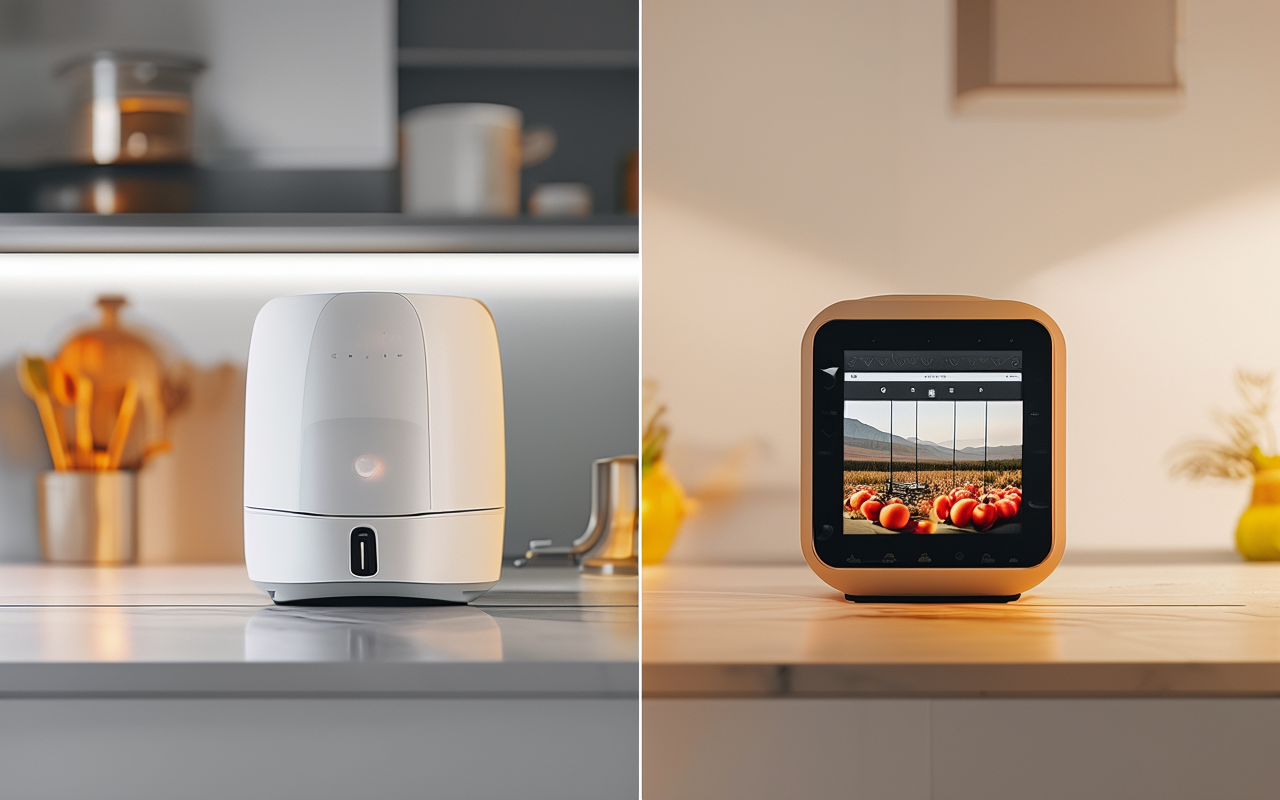
Image to video: How to animate your product photos with AI
Stop reshooting product videos. Here's how to turn photos you already have into AI-generated product demos, social clips, and ads — with tips for consistent results.
AI video for social media: what actually works for engagement in 2025
I tested 6 different AI video styles across TikTok, Instagram, and YouTube Shorts. Here's what got views, what got ignored, and why.